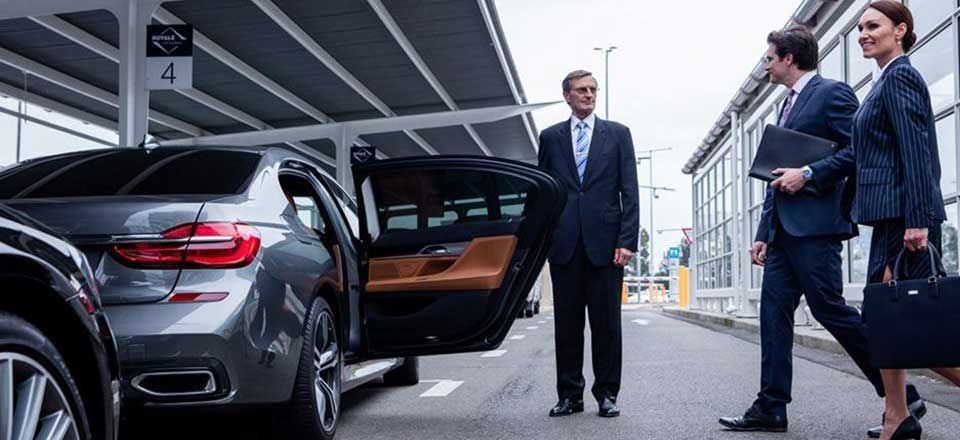
Every day, millions of individuals embark on their daily commutes, often unaware of the environmental consequences of their choices. The gasoline used by personal cars and the pollutants emitted into the air make commuting a major contributor to the planet's carbon emissions. The combined impact of everyday travel accelerates climate change, affects atmospheric conditions, and increases greenhouse gas presence. Recognizing the carbon consequences of each commute is a crucial step toward sustainable travel decisions. By being aware of the emissions generated, commuters can explore alternatives that reduce environmental harm. This consciousness fosters accountability, helping society collectively lessen environmental harm.
EnviroRide maintains that premium ground travel can combine comfort with sustainability. We tailor our offerings to lower environmental impact while ensuring passenger luxury. Our fleet of carefully serviced, energy-efficient vehicles helps mitigate environmental consequences. By prioritizing sustainable practices in our daily operations, we demonstrate that convenience and environmental responsibility can coexist. Passengers experience smooth travel while contributing positively to environmental goals. Choosing an environmentally aware option for daily travel is a step toward a cleaner, healthier future.
The Effects of Air Pollution on Health
The environmental impact of commuting is not limited to carbon emissions; air pollution presents a direct threat to public health. Harmful emissions including nitrogen oxides, fine particles, and volatile compounds contribute to declining air quality. Prolonged exposure to these pollutants can lead to respiratory illnesses, cardiovascular problems, and other chronic health conditions. Those living close to high-traffic areas are especially at risk due to elevated pollutant levels. Minimizing vehicle emissions contributes directly to healthier urban and suburban environments. Sustainable transportation choices are therefore a critical factor in promoting healthier living environments.
By selecting thoughtful commuting options, individuals can directly reduce their exposure to harmful air pollutants. EnviroRide's high-class ground transportation invest in practices that limit emissions through careful fleet management and efficient driving strategies. This approach simultaneously safeguards health and reduces ecological impact. Incremental adjustments in transportation methods collectively produce substantial environmental benefits. Educating more info commuters about the connection between transportation and air quality empowers them to make informed decisions. In the end, both public health and environmental sustainability depend on conscious commuting decisions.
Energy Consumption and Resource Management
Commuting daily requires significant energy expenditure, primarily from fossil fuels, which are finite and have a substantial environmental cost. The production, refining, and consumption of gasoline and diesel contribute to resource depletion and environmental degradation. Individual vehicle trips cumulatively contribute to significant ecological stress. Recognizing the energy implications of daily travel encourages individuals and businesses to seek more efficient alternatives. Effective energy management underpins long-term sustainability efforts. Acknowledging how travel impacts energy consumption informs smarter transportation decisions.
EnviroRide emphasizes energy optimization, meticulously designing routes to minimize fuel use. We employ strategic scheduling and vehicle optimization to reduce unnecessary energy expenditure during each ride. Energy-focused operations contribute significantly to reducing transportation-related environmental harm. Commuters using our service can rely on a balance of comfort and sustainability, knowing that their journey contributes less to global energy consumption. Smart commuting strategies prove sustainability can coexist with convenience. Every ride can become an opportunity to make a positive contribution toward resource conservation.
How Traffic Jams Affect the Environment
Beyond causing frustration, traffic jams have measurable ecological impacts. Stop-and-go driving and extended idling in traffic significantly increase fuel consumption and pollutant emissions. Congested roads also amplify noise pollution, which can affect both human health and wildlife. City planners and transport specialists agree that easing congestion is key to lowering environmental stress. Implementing alternative transportation strategies, including ride-sharing and professional ground transportation, can alleviate traffic density. Optimized commuting practices help minimize both time spent in traffic and environmental strain.
Using high-class ground transportation services can also contribute to easing congestion in busy areas. Careful scheduling and ride-sharing reduce individual car use and road volume. Fewer cars mean smoother traffic flow, lower emissions, and a smaller environmental burden. Clients gain comfort and efficiency while actively decreasing traffic strain. Strategic travel management boosts efficiency and strengthens environmental sustainability. Conscious commuting choices generate positive outcomes for communities at large.
Advances in Eco-Friendly Vehicle Technology
Innovative automotive designs play a key role in lowering commuting-related environmental harm. Innovations such as hybrid engines, electric drivetrains, and energy-efficient systems allow for lower emissions and reduced fuel consumption. These technologies are increasingly integrated into professional ground transportation fleets, transforming the way people travel. Environmentally efficient cars help lower emissions and curb fossil fuel consumption. Adopting cutting-edge vehicle technology is essential for companies and individuals who wish to minimize their ecological footprint. Moving toward sustainable mobility reflects a commitment to planetary health.
EnviroRide consistently invests in innovative green technologies for a more sustainable travel experience. Our investment in sustainable vehicles aligns with a vision of high-class service that prioritizes both comfort and ecological impact. Riders enjoy top-tier service while helping reduce emissions and conserve energy. The integration of green technology into professional transportation services sets a standard for the industry. By choosing vehicles designed for efficiency and sustainability, commuters make a conscious choice to protect the environment. Integrating sustainable innovations contributes directly to enduring environmental improvements.
Driving Sustainable Commuter Behavior
Commuters’ habits directly influence environmental consequences. Commuters who adopt energy-conscious habits, such as carpooling, using professional transportation, or planning efficient routes, can significantly reduce their ecological footprint. Public awareness campaigns and educational initiatives help inform individuals about the consequences of their daily travel. Minor changes, such as combining trips, produce significant ecological gains. Being informed and purposeful fosters responsible commuting. When people recognize their capacity to influence environmental outcomes, they become more motivated to act responsibly.
EnviroRide promotes awareness of the environmental effects of each journey. By opting for professional, high-class ground transportation, travelers embrace a lifestyle that prioritizes sustainability without sacrificing convenience. Every decision to reduce emissions, conserve energy, or streamline travel contributes to a healthier environment. While shifting habits can be challenging, practical green alternatives facilitate success. Encouraging eco-conscious routines helps passengers join a larger environmental effort. Conscious commuting decisions today ensure a better, cleaner world for tomorrow.
The Broader Effects of Sustainable Commuting
Eco-conscious travel choices yield collective advantages. Reduced traffic emissions improve public health, decrease noise pollution, and create more livable urban spaces. Responsible travel fosters leadership and motivates broader adoption of green practices. When communities adopt sustainable travel habits, overall environmental and social well-being improves. Shared responsibility fosters a sense of unity and commitment toward protecting the environment. Individual travel habits affect communities and ecological systems at large.
At EnviroRide, we recognize that our commitment to high-class ground transportation has a far-reaching impact. Each eco-friendly trip benefits both local communities and global ecosystems. Opting for eco-conscious transportation helps build a lasting, positive environmental legacy. Combining high-class service with sustainability turns daily travel into a meaningful environmental contribution. Make every commute impactful, supporting comfort and a cleaner planet simultaneously.